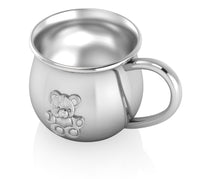
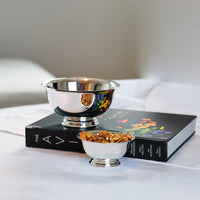
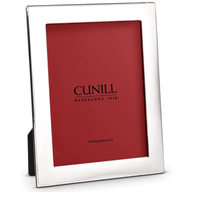
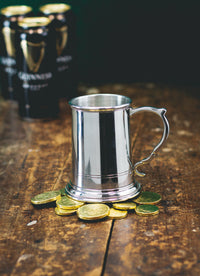
Sterling Silver
Crafted from solid silver, offering premium quality, lasting durability, and heirloom appeal.
Shop Sterling Silver
Silverware adds elegance and sophistication to any dining experience. Whether you own a treasured family heirloom, a sterling silver flatware set, or silver-plated utensils used for special occasions, keeping them clean and tarnish-free is essential.
Over time, silverware naturally develops tarnish, losing its brilliant shine and attractive appearance. Fortunately, with the right silverware cleaning techniques, you can restore its beauty and protect its value for years to come.
In this comprehensive guide, you'll learn the best way to clean silverware, how to remove tarnish safely, natural cleaning methods, common mistakes to avoid, and expert tips for long-term silverware care.
Before learning how to clean silverware, it's helpful to know why tarnish develops in the first place.
Silver tarnishes due to sulfur-containing compounds in the air. This chemical reaction forms a dark layer of silver sulfide on the surface, making silverware appear dull, yellow, brown, or even black.
Several factors lead to tarnishing, such as-
Even well-maintained silver flatware will eventually tarnish, making regular silverware maintenance important.
Not all silverware is the same. Understanding what type of product you own helps determine the safest cleaning method.
Sterling silver contains 92.5% pure silver and 7.5% other metals, usually copper. It is durable and highly valuable but requires periodic polishing.
Silver-plated flatware has a thin layer of silver applied over a base metal. It requires gentle cleaning because aggressive polishing can wear away the silver coating.
Antique silverware often has collectible value. Harsh cleaning methods can diminish its beauty and value.
Specialty serving pieces, ornate utensils, and engraved silverware may require extra care to protect detailed patterns and finishes.
Many people wonder what the best way to clean silverware is without causing damage. The answer depends on the level of tarnish and the type of silver.
This is the safest option for routine silverware cleaning.
This method removes fingerprints, food residue, and light surface dirt without damaging the silver.
One of the most popular homemade silver cleaner techniques uses a chemical reaction to remove tarnish.
Not ideal for heavily decorated antique silverware, as the process may affect the desirable patina.
For moderate to heavy tarnish, silver polish products provide excellent results.
Silver polish helps restore a mirror-like finish while protecting the surface.
Silver cleaning cloths are specially treated to remove oxidation and polish silver.
These clothes are especially useful for silver flatware used occasionally.
Different levels of tarnish require different approaches.
For slight discoloration-
For visible darkening-
For black or heavily oxidized silver-
Use-
Avoid scrubbing aggressively as it can wear down decorative details.
Many homeowners prefer eco-friendly silver cleaning methods.
Create a paste using-
Apply gently, allow it to sit briefly, then rinse and dry.
Soak silverware for several hours, then rinse and polish.
This method can help dissolve stubborn tarnish naturally.
The natural acidity of lemon combined with salt can brighten silver surfaces.
Use sparingly and always rinse thoroughly afterward.
Additional natural silver cleaner options include-
Improper cleaning can permanently damage silverware.
Avoid-
These materials scratch silver surfaces.
Many household cleaners contain chemicals that can discolor silver.
Never use-
Dishwashers can cause-
Handwashing remains the safest option.
Excessive polishing gradually removes silver from the surface.
Only polish when necessary and use gentle techniques.
Antique silverware requires special care.
Collectors often appreciate some natural patina. Completely removing it may reduce the item's appeal and value.
Use-
Avoid aggressive tarnish-removal methods.
Professional restoration may be worthwhile for-
Investing in quality silver care products can simplify maintenance.
Look for products specifically designed for-
Quality polishes clean while providing protective coatings.
These are excellent for-
Special storage materials help reduce exposure to air and sulfur.
Benefits include-
Comprehensive silver care kits often include-
These kits provide a complete solution for silverware maintenance.
Preventive care is often easier than removing tarnish.
Use-
Avoid humid environments.
Anti-tarnish strips absorb sulfur compounds before they reach silver surfaces.
They can significantly slow tarnishing.
A simple schedule may include-
Consistent care keeps silverware looking its best.
Fingerprints contain oils and acids that contribute to tarnish.
Always-
1. What Is the Best Way to Clean Silverware Naturally?
The baking soda and aluminum foil method is one of the most effective natural methods to clean silverware.
2. Can Silverware Go in the Dishwasher?
Most sterling silver and silver-plated flatware should be hand-washed to prevent damage and tarnishing.
3. How Often Should Silverware Be Polished?
Most silverware only needs polishing a few times per year, depending on use and storage conditions.
4. Does Baking Soda Damage Silver?
When used correctly, baking soda is generally safe for silverware and is commonly recommended for tarnish removal.
5. How Do I Remove Black Tarnish from Silverware?
Heavy tarnish often responds well to silver polish or the aluminum foil and baking soda cleaning method.
6. What Is the Safest Cleaner for Antique Silverware?
Mild dish soap, warm water, and a soft cloth are typically the safest choices for valuable antique silverware.
The best way to clean silverware depends on its condition, age, and material. For routine silverware maintenance, warm water and mild dish soap are usually sufficient. When tarnish appears, natural methods such as baking soda and aluminum foil can effectively restore shine, while professional silver polish provides deeper cleaning for heavily tarnished pieces.
By understanding proper silverware care, avoiding common cleaning mistakes, and following good storage practices, you can maintain the beauty, functionality, and overall quality of your sterling silver flatware and silver-plated utensils for generations.
Regular cleaning, gentle polishing, and tarnish prevention are the keys to keeping your silverware looking as elegant as the day it was made.